The IMO Model Course 3.12, a regional training programme on the assessment, examination and certification of seafarers, officially commenced on Monday, August 24, 2026, at the BSM Training Center in Accra.
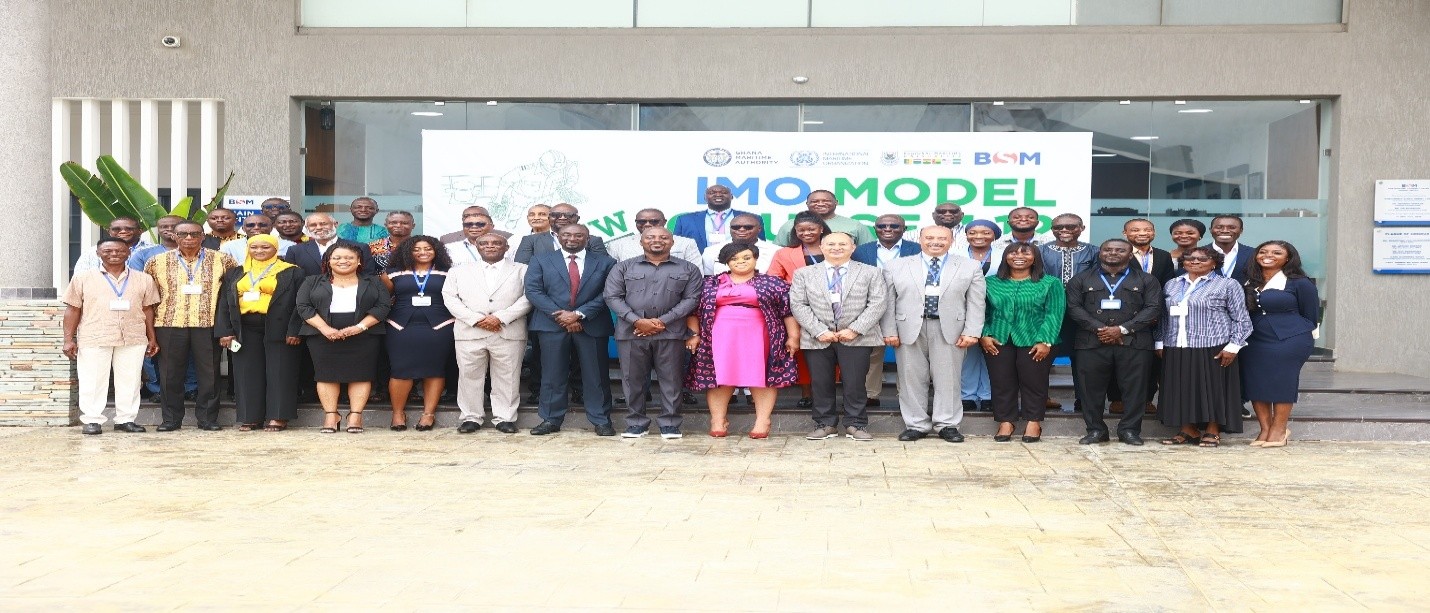
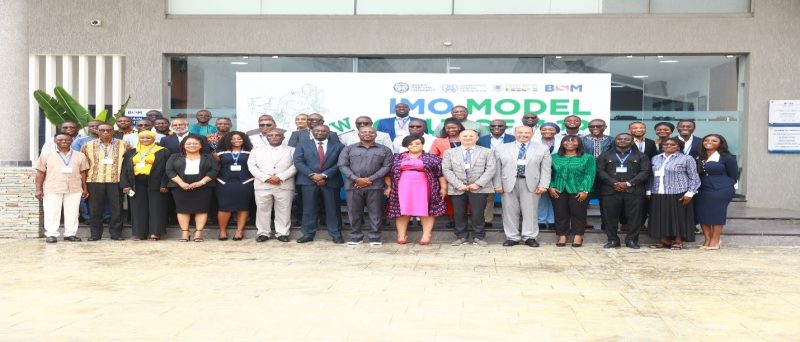
Participants and organisers after the opening ceremony
The five-day programme, organised in collaboration with the GMA, IMO, RMU and BSM, is aimed at equipping participants with the requisite knowledge and competencies to meet current demands, requirements and standards within the global maritime industry.
In his opening address, the Acting Vice Chancellor of RMU, Dr Jethro W. Brooks Jr., said the importance of the training could not be over emphasised, particularly in view of the continuous changes in policies, regulations and guidance within the maritime industry.
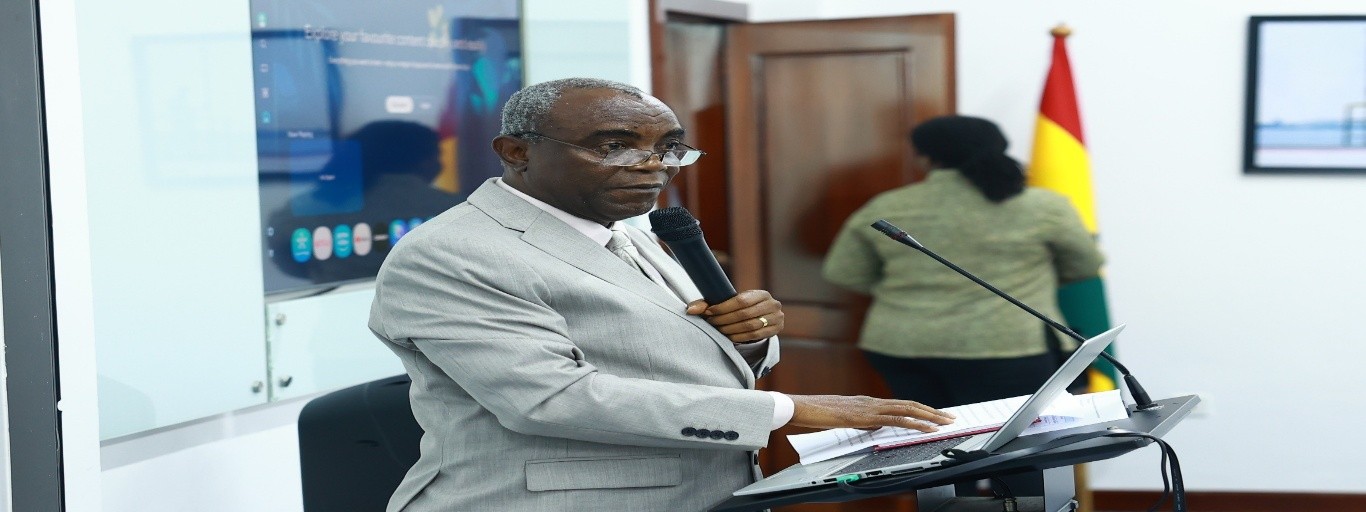
Dr Brooks speaking at the opening ceremony
He noted that these developments made continuous professional training essential to ensure that practices and competencies remain aligned with established international standards.
Dr Brooks said the initiative demonstrated the commitment of the collaborating institutions to ensuring that trainers, assessors and examiners remained abreast of emerging developments and evolving requirements within the maritime sector.
He reaffirmed RMU’s commitment to collaborating with industry stakeholders and supporting initiatives that promote the advancement of knowledge, skills and expertise in the maritime domain.
Opening the programme on behalf of the Director-General of the GMA, the Deputy Director-General, Mubarick Masawudu, expressed appreciation to the IMO, RMU and BSM Training Centre for their support towards the successful implementation of the programme.
He said the training would enable participants to strengthen their competencies as assessors, align their practices with those of their counterparts across the region and enhance the examination and certification systems that underpin the issuance of certificates of competency.
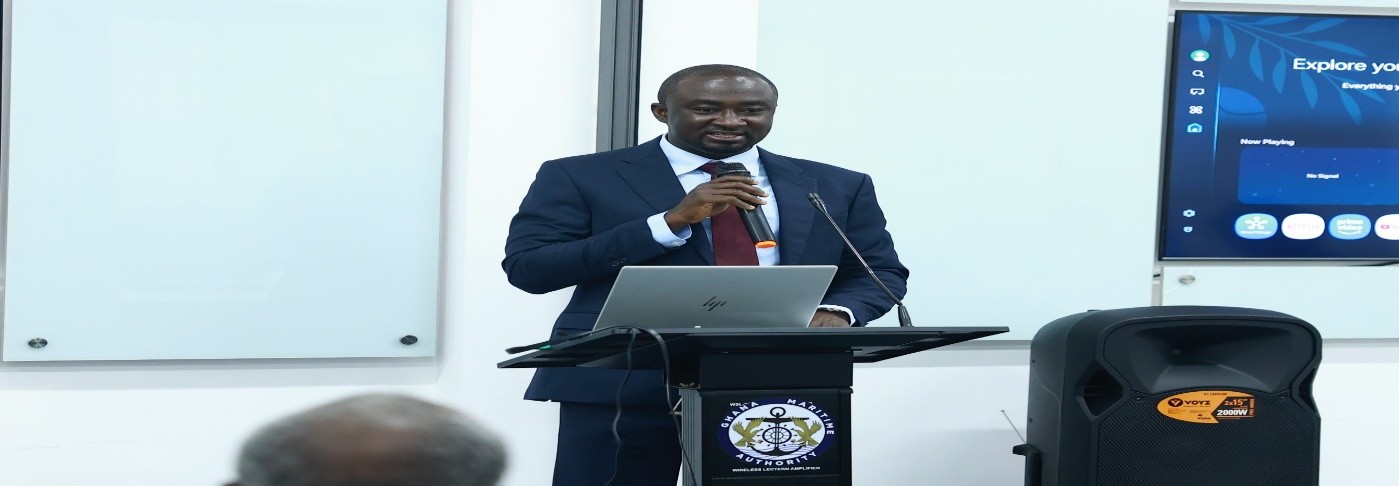
Deputy Director-General, Mubarick Masawudu officially opened the training
According to him, the internationally recognised Certificate of Competency enables qualified seafarers to work in various parts of the world, underscoring the importance of maintaining robust and credible assessment, examination and certification systems.
Mr Masawudu further described the training as timely, particularly as Ghana prepares to undergo the IMO Member State Audit Scheme in 2027. He noted that the implementation of the STCW Convention, including the qualification of assessors and the integrity of examination systems, falls within the scope of the audit.
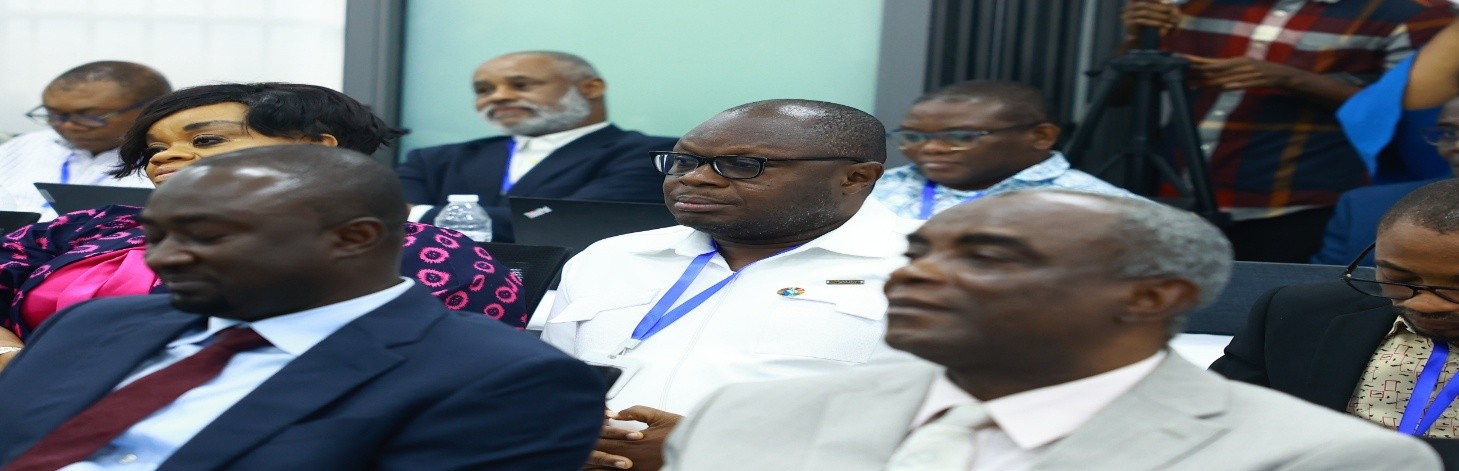
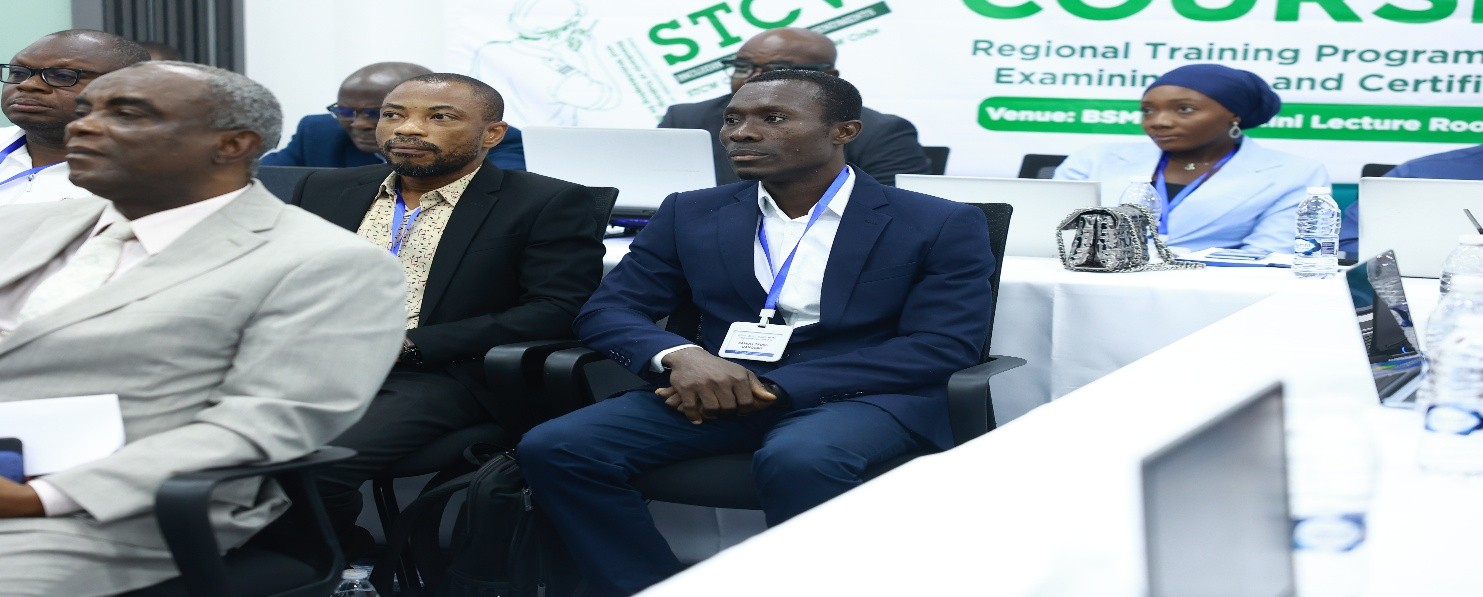
A section of dignitaries and participants
He urged participants to actively engage with facilitators, ask critical questions and critically examine existing practices, stressing that the standards they establish today would ultimately shape the competencies and professional standards expected of the next generation of seafarers.

IMO Regional Coordinator for West and Central Africa, Capt. Dallas Laryea
The IMO Regional Coordinator for West and Central Africa, Capt. Dallas Laryea, also underscored the importance of the course, noting that it would equip participants with the competencies required to operate effectively within the global maritime industry, particularly amid rapid advances in digital technology.
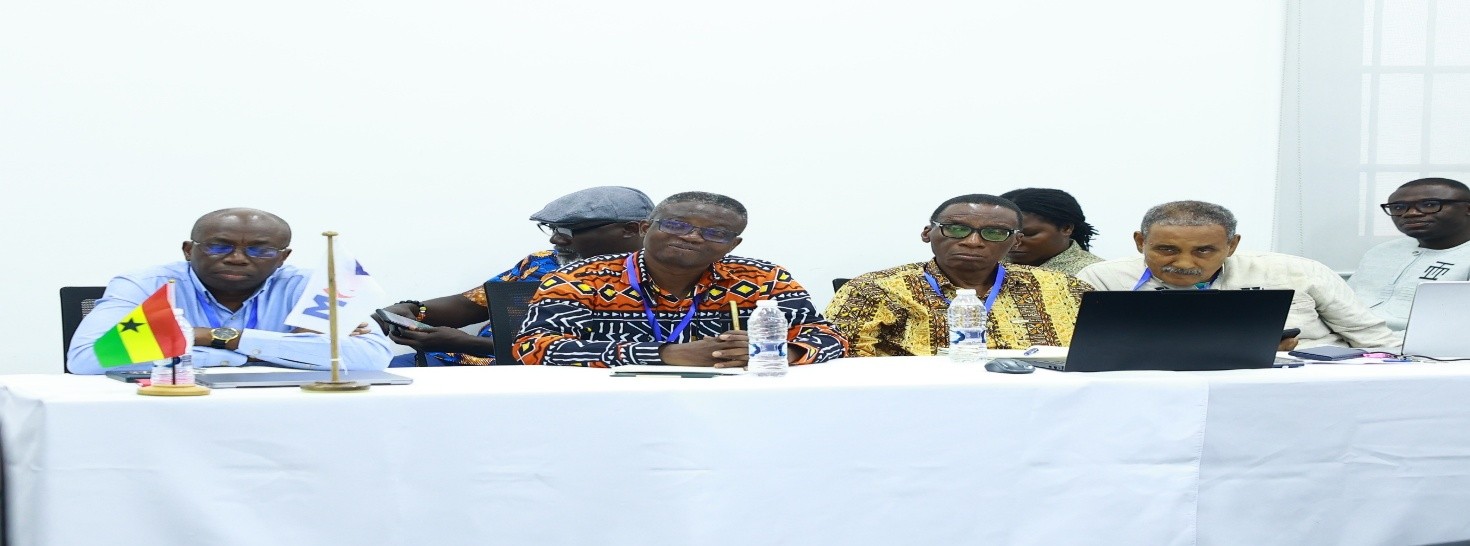
Some of the participants
The training has brought together facilitators and participants from Ghana, Liberia, Nigeria, The Gambia and Cabo Verde, providing a platform for regional knowledge-sharing and the harmonisation of practices in seafarer assessment, examination and certification.