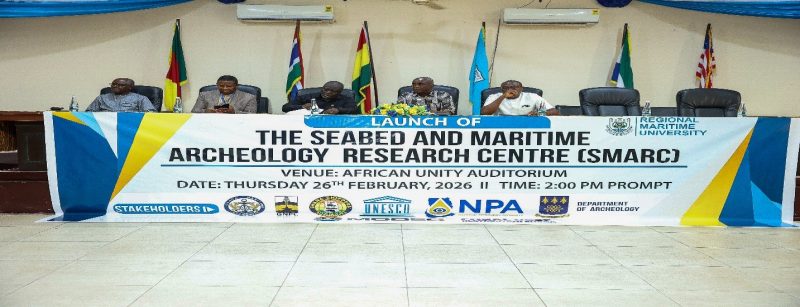

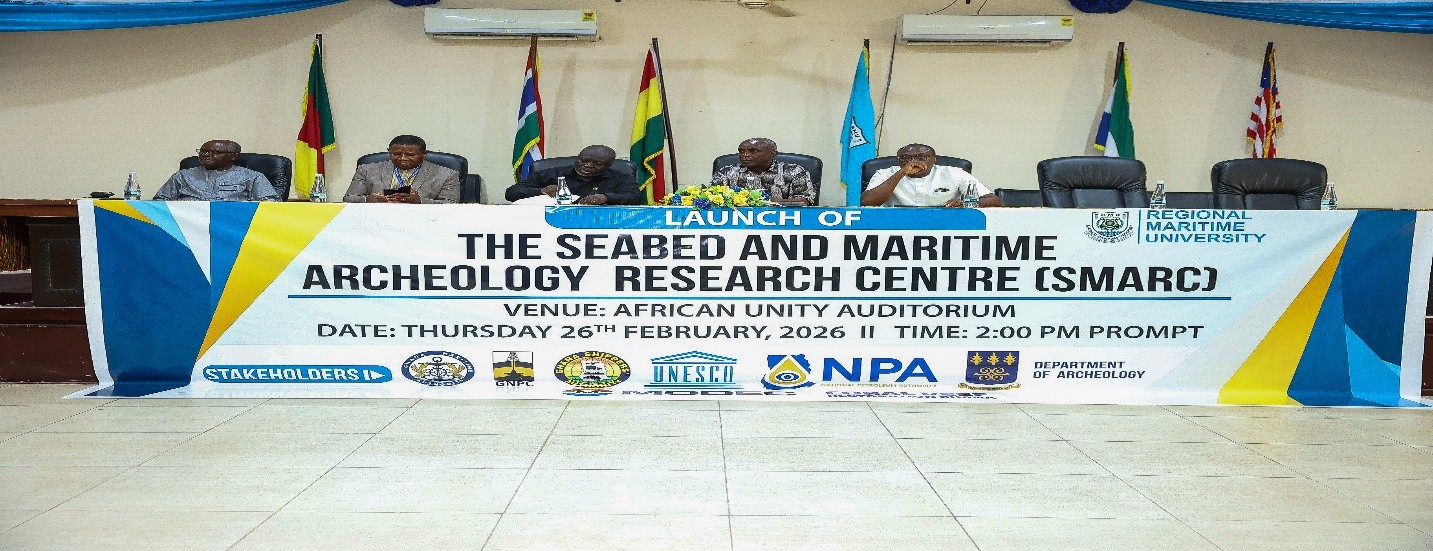
Dignitaries at the high table during the launch
The Regional Maritime University (RMU) on Thursday, February 26, 2026, launched the RMU Seabed and Maritime Archaeology Research Centre (SMARC), a major initiative aimed at strengthening ocean conservation and advancing marine scientific research across Africa.
The launch brought together key stakeholders from the maritime sector, including representatives from government, academia, and research institutions. The event formed part of broader efforts to deepen knowledge, promote innovation, and provide practical, research-driven solutions to challenges facing the maritime environment.
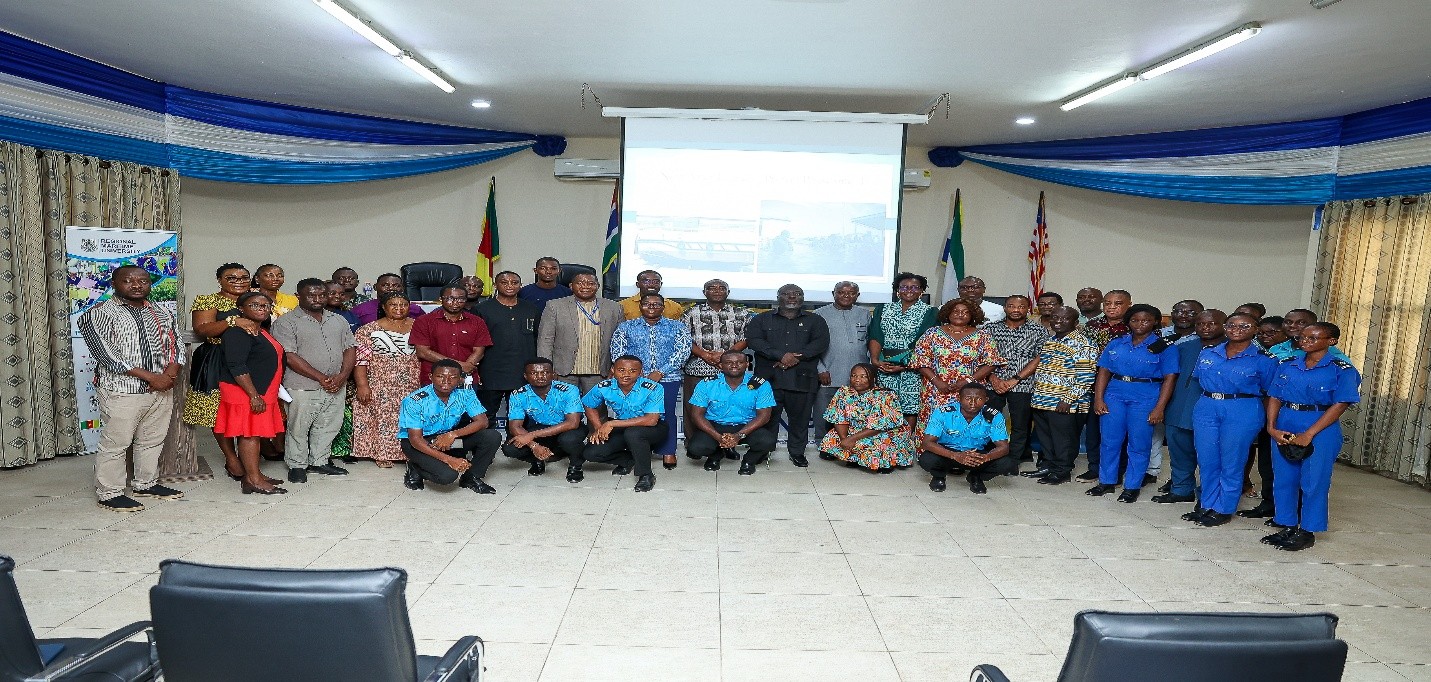
Guests, staff and students after the launch
Speaking at the ceremony, which marked a significant milestone in Ghana’s marine research and conservation efforts, the Acting Vice Chancellor of RMU, Dr Jethro W. Brooks Jr. stated that once fully operational, the Centre would serve as a platform for advanced training and capacity building.
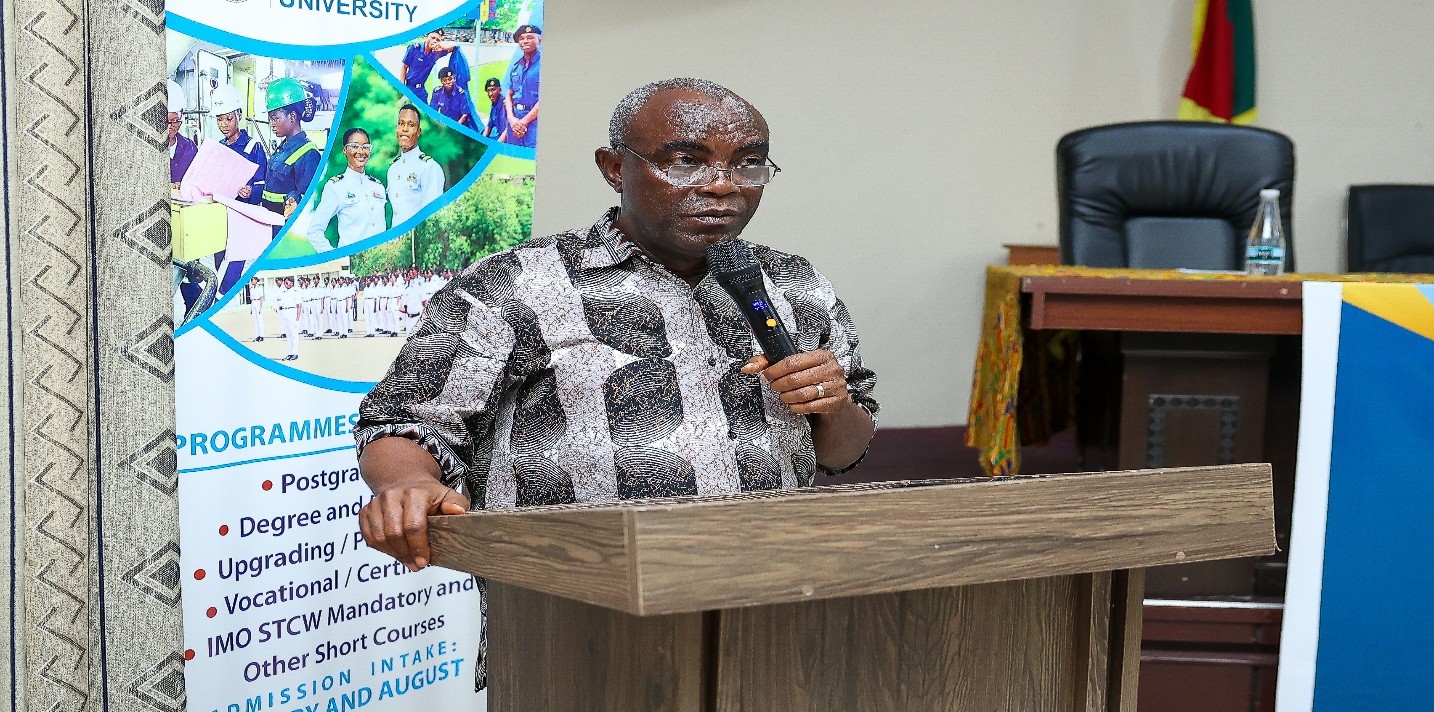
Ag.Vice Chancellor Dr Brooks Jr speaking at the event
He noted that RMU is committed to equipping participants with practical tools, technical expertise, and critical insights that can be effectively applied to safeguard the maritime domain.
He further disclosed that RMU has begun engaging the Government of Ghana through the Ghana Maritime Authority (GMA) and other key stakeholders to ensure the successful rollout of the Centre and its activities.
As the leading maritime education and training institution in Ghana, he said, RMU is well-positioned, drawing on its extensive experience and dedicated team of researchers to achieve the Centre’s objectives.
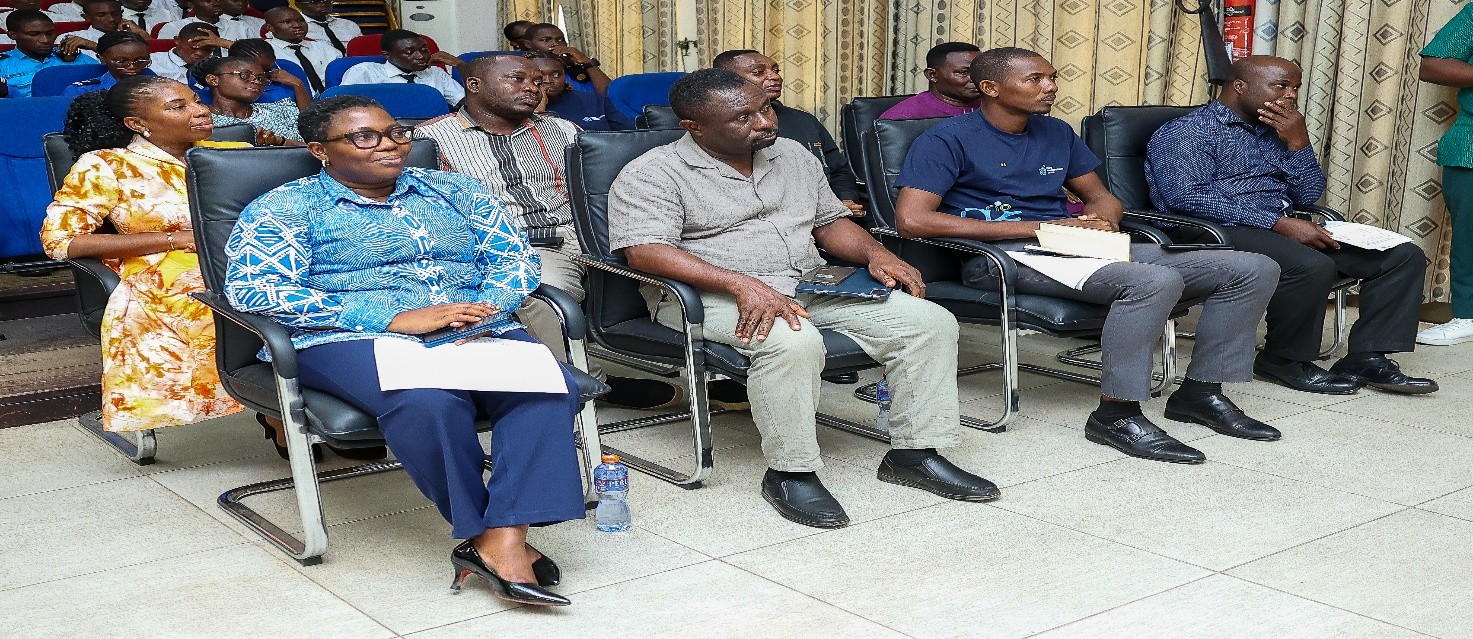
Some RMU staff, students and guests at the event
“The launch of SMARC is not merely an institutional milestone; it is a national and regional call to action. It serves as a rallying point for collective responsibility in protecting our oceans and preserving their biodiversity. Ghana’s marine heritage is rich, historic, and invaluable. Its preservation requires collaboration, research excellence, and sustained commitment,” he emphasised.
The UNESCO Country Representative and Special Guest, Mr. Edmond Moukala, described SMARC as a crucible where international conventions on ocean preservation would be translated into practical action. By applying international standards, he said, the Centre would ensure that African heritage is managed by African hands within an African context for global benefit. He added that UNESCO envisions SMARC as a continental hub for capacity building and called for stronger collaboration among African countries.
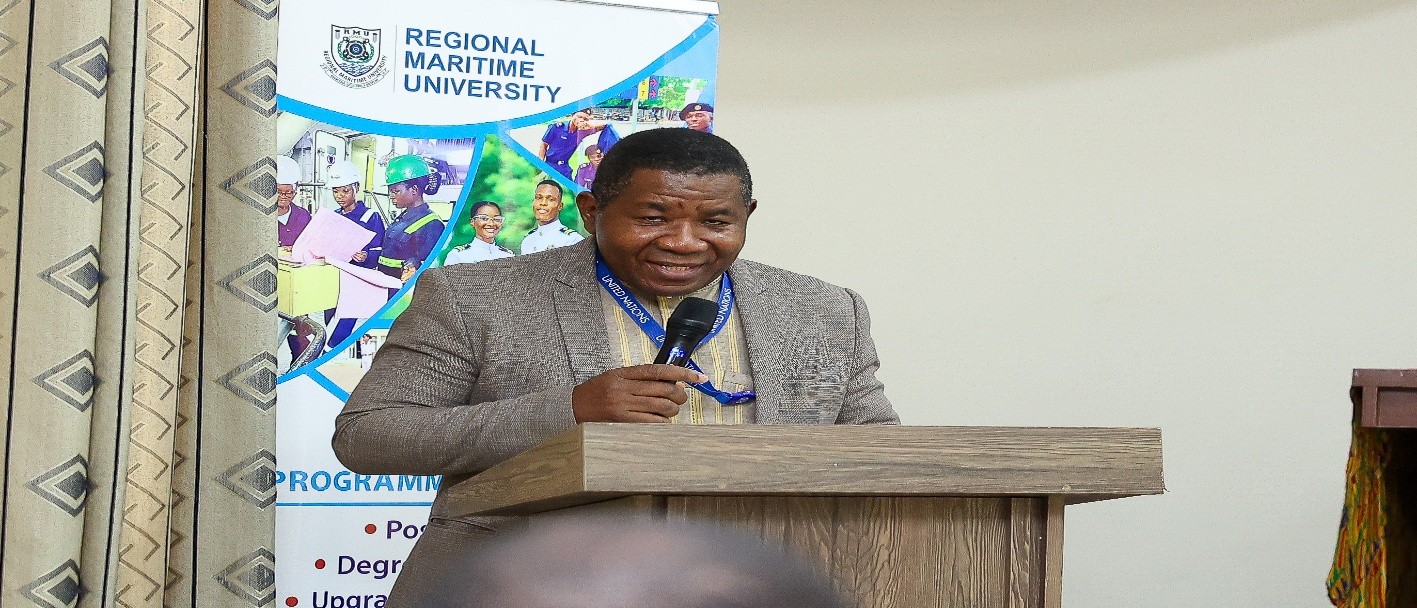
UNESCO Country Representative and Special Guest, Mr. Edmond Moukala
A coastal specialist and Professor at the Department of Marine and Fisheries Sciences, University of Ghana, Prof. Kwasi Appeaning Addo, commended RMU for the initiative and pledged his institution’s support to ensure the successful realisation of SMARC’s objectives.
The Chief Executive Officer of MODEC, Mr. Theophilus Ahwireng, emphasised the importance of local content development and called for increased investment to expand such centres. He praised RMU for its consistent efforts to deepen knowledge through innovation and research while empowering the next generation of maritime professionals.
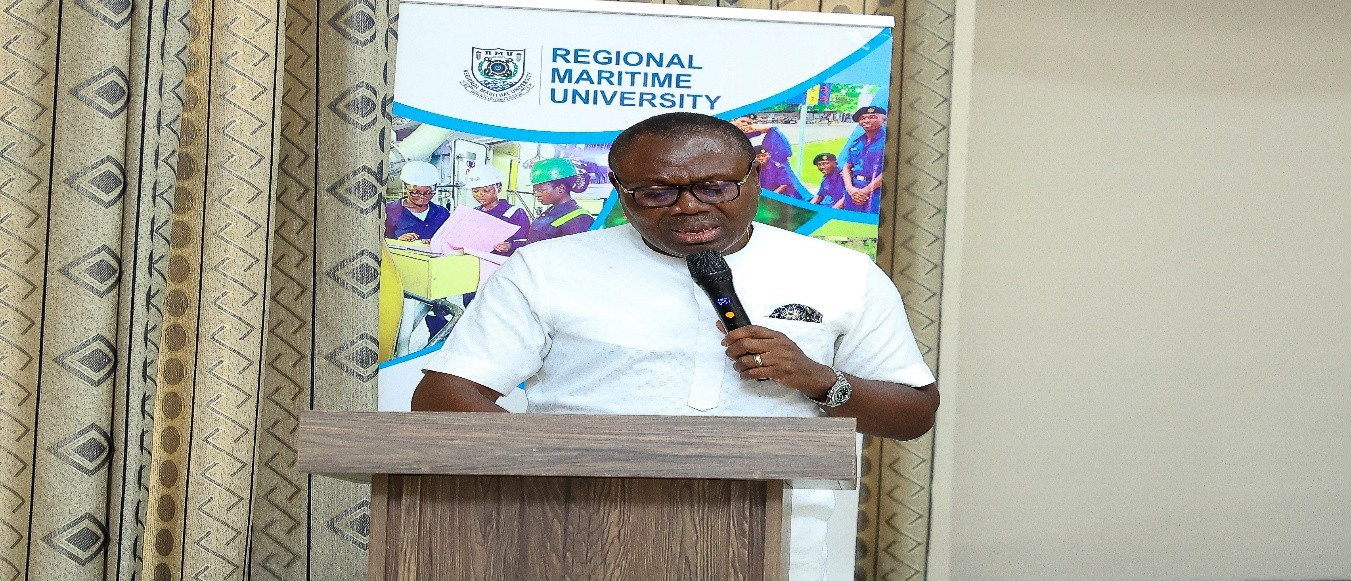
Mr Ahwireng
The Executive Director and Local Instructor of Coral Reefstoration Ghana, Mr. George Amado, also called for collective action in protecting the ocean and its biodiversity.
In a separate presentation, the Head of the Nautical Science Department at RMU, Mr. Benedict Aubyn, highlighted the need for intensified research in the marine and diving sectors. He reiterated RMU’s commitment to advancing marine conservation through evidence-based research facilitated by SMARC.
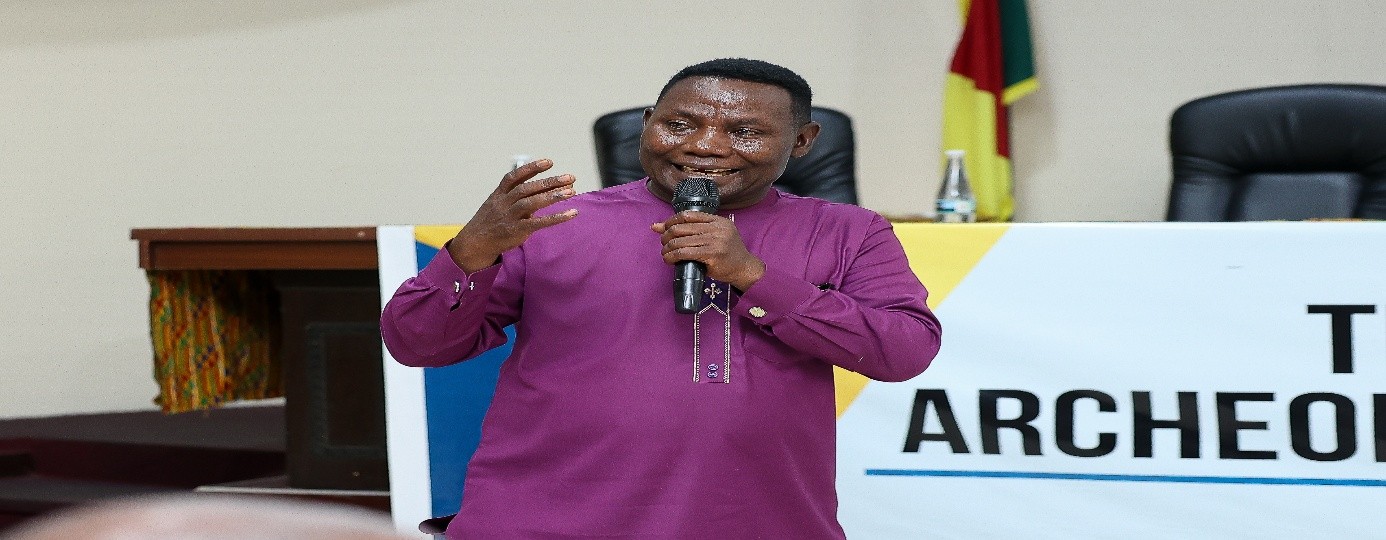
Mr Aubyn making a presentation
The event was attended by representatives from the Ghana Maritime Authority (GMA), Ghana National Petroleum Corporation (GNPC), National Petroleum Authority (NPA), Ghana Shippers’ Authority, the Department of Archaeology, University of Ghana, and the Ghana Museums and Monuments Board.
Story By: PRO